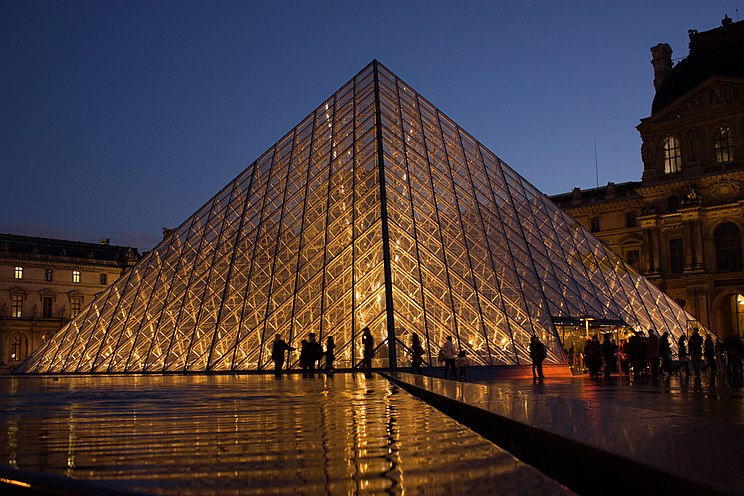
A Favourite landscape
Talking about Art
Wednesday November 16, 1100-1200
Three presenters, two painters, one photographer, three countries
Book now on www.bookwhen.com/TASC
This is me
Join us to explore aspects of identity in legacy and portraiture. Each of us has a keen sense of who we are. Once we become the subject of an image, we present to ourselves and to others a view of who we are…or would like to be….or would prefer not to be seen as. Do all of us want to be seen or is that singularly unimportant for some?
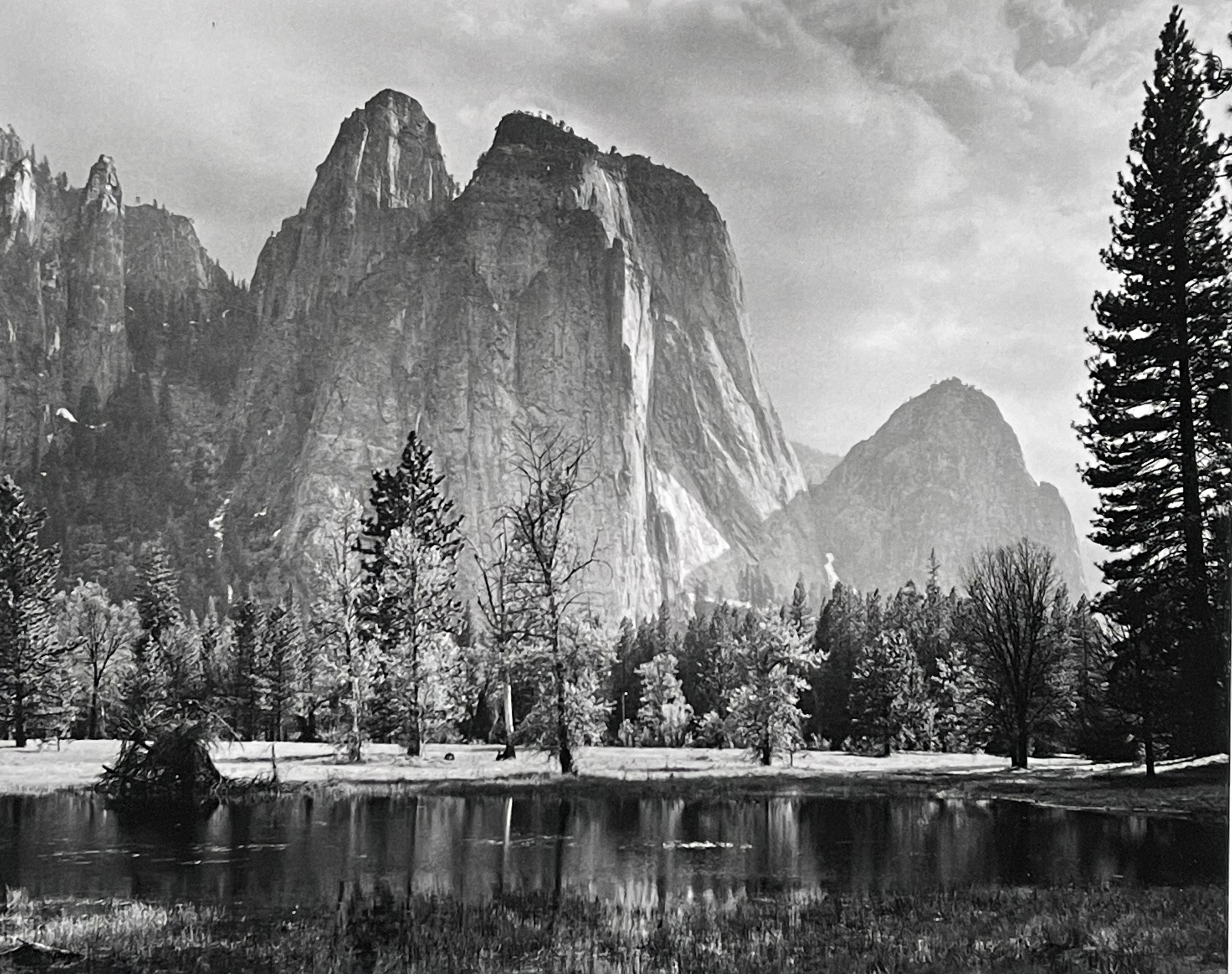
First, Brian Etheridge will tell the little-known story of Jacques Coeur, a merchant who, in the 15c, rose to be Master of the Mint in France, fixer to the King and, in the process, became immensely rich before succumbing to his enemies. Did he leave an artistic legacy? Was that important in his self-view as such an influential man?
Second, Mark Aveline will present three portraits for us to look at: a self-portrait by Edwin Landseer, a gift by Diego Velasquez and a commissioned work by Graham Sutherland. One horrified, one may have quietly pleased and one could be a modern selfie.
Book online at www.BookWhen.com/TASC
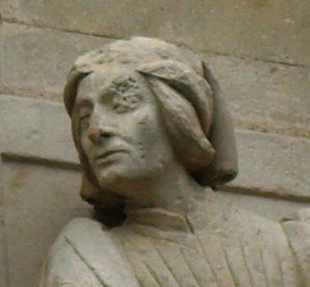
Talking about Art, the members-only virtual coffee morning
Wednesday June 15, 2022, 1100-1200
Celebrating Nordic and Canadian artists
Favourite works by Nordic women artists
Towards the end of the 19th century, art schools in Nordic countries opened their doors to female students. As a result, many talented women had the opportunity to become professional artists. Anna Aveline will present some favourite paintings.
Tom Thomson and The group of Seven
This was a group of Canadian artists, who worked together approximately between 1920 and 1933. Their landscape paintings were influential in helping Canada to establish its own identity as a nation. Presented by Rachel Gallagher.
The Architecture of the Royal Courts of Justice
Pevsner described this building as "an object lesson in free composition, with none of the symmetry of the classics, yet not undisciplined where symmetry is abandoned." David Brownlee described it as a "regular mongrel affair", while Turnor described it as the "last great secular building of the Gothic Revival"
Did you know that badminton is played in the RCJ, that there is a gym as well as prison cells in its basement, and that it has four separate circulatory systems for people? Join this virtual coffee morning when, lead by Carolyn, you will see the inside of this extraordinary, spectacular building and explore some of its odd nooks and crannies.
Those who sign up will receive some information in advance so that we can have an interesting discussion about this exciting example of Victorian architecture.
Presented by Carolyn Walton

If I was in Budapest/at Tate Britain/at the Courtauld, this is the painting I would go to see
Supposing one had a little time to spare and was outside a Gallery, what favourite painting would you seek out? Join Maggie Finney and Anna and Mark Aveline to see and discuss their choice in a virtual coffee morning
Hint: Three figures, one Madonna and two friends

Presented by Brian Etheridge
This coffee morning will consider the work of John Brett, a little known Pre Raphaelite and John Everett Millais possibly the best painter in that genre. Brett was influenced by the PreRaphaelites and championed by John Ruskin at an early age but veered away from the PreRaphaelites to paint landscapes. Millais in contrast remained a PreRaphaelite all his life but produced more varied work. The case will be made for John Brett as a significant artist. On a personal note, Brett’s most active advocate is Charles Brett, JB’s great grandson and a notable retired counter-tenor, also a friend and colleague of Brian’s in the singing world

Join fellow TASC members over Zoom on January 19 from 1100-1200 to share and discuss their choice of favourite buildings. We expect to have five buildings to look at. They may turn out out to be favourites for you or, maybe, not.
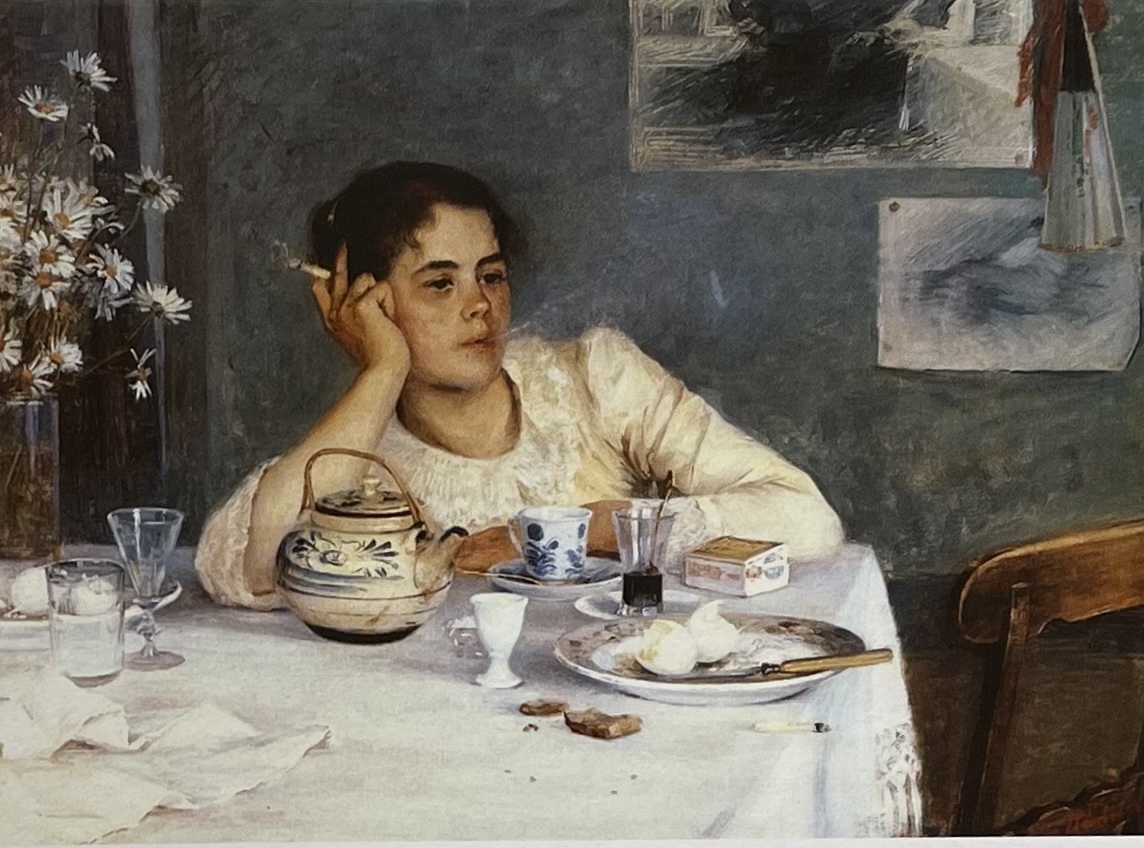
Here is an iconic building by I. M. Pei at the Louvre which many of you will know and have opinions about. However, we won’t go down such a familiar path in choosing our buildings. Instead, there will be an early theatre from the Czech Republic, a small, deeply rural church in Powys, a modern building for cancer care in Scotland, a set of buildings at the centre of our legal life and what might be your dream house if you had several millions to spend.