A wealthy Venetian shopping in the Rialto area had access to goods from far and wide. Luxury goods were entering Venice both from the Islamic East and Northern Europe. This lecture vividly evokes a day on the Rialto, its surrounding buildings and its merchants. We will examine the wares that were on offer and how Venetians displayed them after purchase.
Antonia Gatward Cevizli:
Dr Antonia Gatward Cevizli is an independent art historian specialising in both Italian Renaissance art and Ottoman art. She gained her PhD from the University of Warwick. Her publications focus on cultural and diplomatic exchange between the Italian city-states and the Ottomans. Antonia has lectured for a number of institutions including Sabancı University, Istanbul; Sotheby’s Institute of Art; the National Gallery; the V&A Academy and The Courtauld summer school. Her interests are wide-ranging and she also worked across the collections of both Tate Modern and Tate Britain as a professional guide. She has lived in Siena, Venice and Istanbul.

Scottish architect, designer and artist Charles Rennie Mackintosh is now a well-known name and a major draw for the tourist industry in Glasgow, with several of his buildings still existing, as well as his designs for Tea Rooms. However, his work was not always so well received and, following some early success, which included his architectural masterpiece, the Glasgow School of Art, his prospects floundered. In this lecture we track him from that early success in his native Glasgow, through the more difficult years, ultimately to the South of France where he enjoyed the last few years of his life travelling with his wife and collaborator Margaret and reinvented himself as a water colourist. There is a wonderful array of beautifully designed buildings, furniture and interiors to enjoy along the way as we explore his extraordinary career.
Rosalind Whyte:
BA and MA from Goldsmith’s College, and an MA (distinction) from Birkbeck College. Experienced guide at Tate Britain, Tate Modern, the Royal Academy and Greenwich. Lectures at Tate, to independent art societies and on cruises.

This talk is on how magicians have appeared in art throughout the centuries, whether in paintings, satirical prints or cartoons. Early artists used the magician to symbolise the mysterious and the unknown, associating them with astrology. In the 16th century, Pieter Bruegel and Hieronymus Bosch produced two of the most famous and striking pictures of the conjurer performing the Cups and Balls trick. The 18th and 19th century saw a proliferation in engravings and lithographs showing the magician both indoors and on the streets.
Ian Keable:
Gained a First Class degree from Oxford University, qualified as a Chartered Accountant and then became a Professional Magician. In 2014 he published Charles Dickens Magician: Conjuring in Life, Letters & Literature. His latest book is The Century of Deception: The Birth of the Hoax in Eighteenth-Century England.
He now divides his time between performing magic, giving talks and researching and writing. He is a Member of The Inner Magic Circle and in 2024 was appointed the Archivist of The Magic Circle. He is presently writing a biography of David Devant, the first President of The Magic Circle and considered to be England's greatest ever magician.

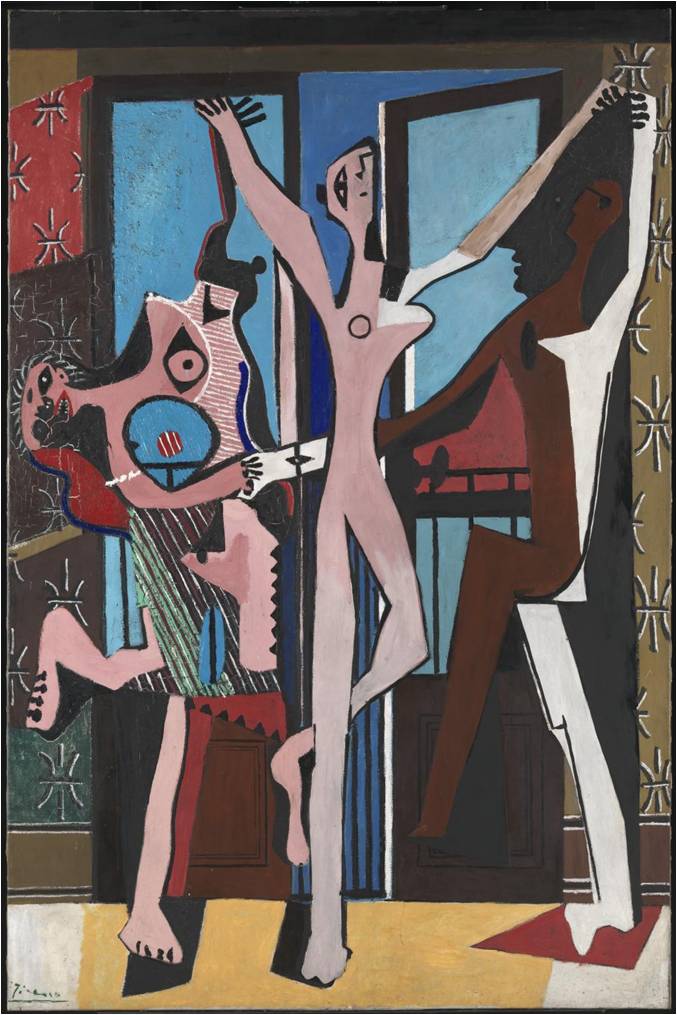
How can you best understand one of the most prolific, complex and influential painters of the 20th century? By taking just ten of Picasso’s paintings this lecture will examine his life and attempt to explain the evolution of his painting styles through a career that spanned more than seventy years.
Looking at the genesis of each work, examining its biographical meaning, its moment in history and its significance in the canon of modern art this will reveal the truth behind this most enigmatic and powerful artist.
Alan Read:
Alan has a masters and first-class honours degree in History of Art from Birkbeck College, University of London. He is a gallery guide at Tate Britain and regularly lectures at both London Tates. For twenty years he was a gallery guide and lecturer at the National Portrait Gallery and the Dulwich Picture Gallery. He also works as a London Blue Badge Guide.
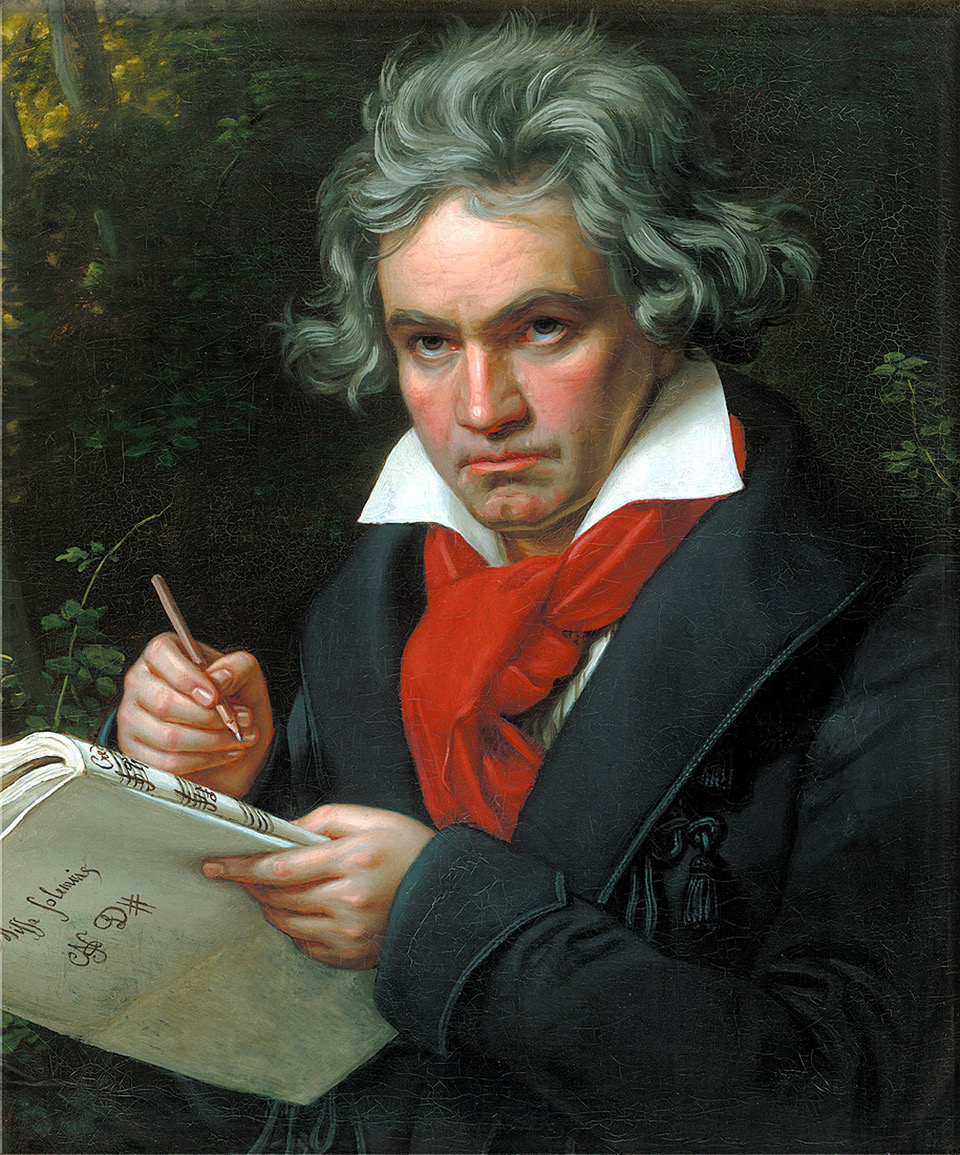
The 200th anniversary of Ludwig van Beethoven's death in March 1827 is a great time to reassess the legacy of this great composer. Born into a family of court musicians in Bonn, Beethoven became one of the greatest and most disruptive figures in the history of classical music; by the time he died in Vienna he had completely transformed music's cultural landscape. This talk presents an overview of this brilliant, cantankerous, visionary and astonishingly original composer. Visual illustrations include a selection of contemporary portraits, while musical examples are drawn from his genre-busting piano sonatas, quartets and symphonies, and from the revolutionary opera Fidelio. It explores how Beethoven became a true Romantic artist, or as he preferred to describe himself, a “poet in sound.”
Sandy Burnett:
Sandy is one of the UK’s most versatile music commentators, enjoying a career that combines broadcasting, performing and lecturing; he was appointed the Academy of Ancient Music’s Hogwood Fellow for the 2018-19 season. After studying at St Catharine’s College, Cambridge and working as music director for the RSC, National Theatre and in London’s West End, Sandy Burnett spent a decade as one of the core team of presenters on BBC Radio 3. He has directed a complete performing cycle of Bach’s sacred cantatas and is a first-call double bass player on the London jazz scene. Since 2013 he has devised and led cultural holidays all over the world, taking music lovers to venues as diverse as the opulent Leipzig Opera House and the intimate jazz clubs of New Orleans. He runs an online classical music appreciation Listening Club and is the author of the Idler Guide to Classical Music.
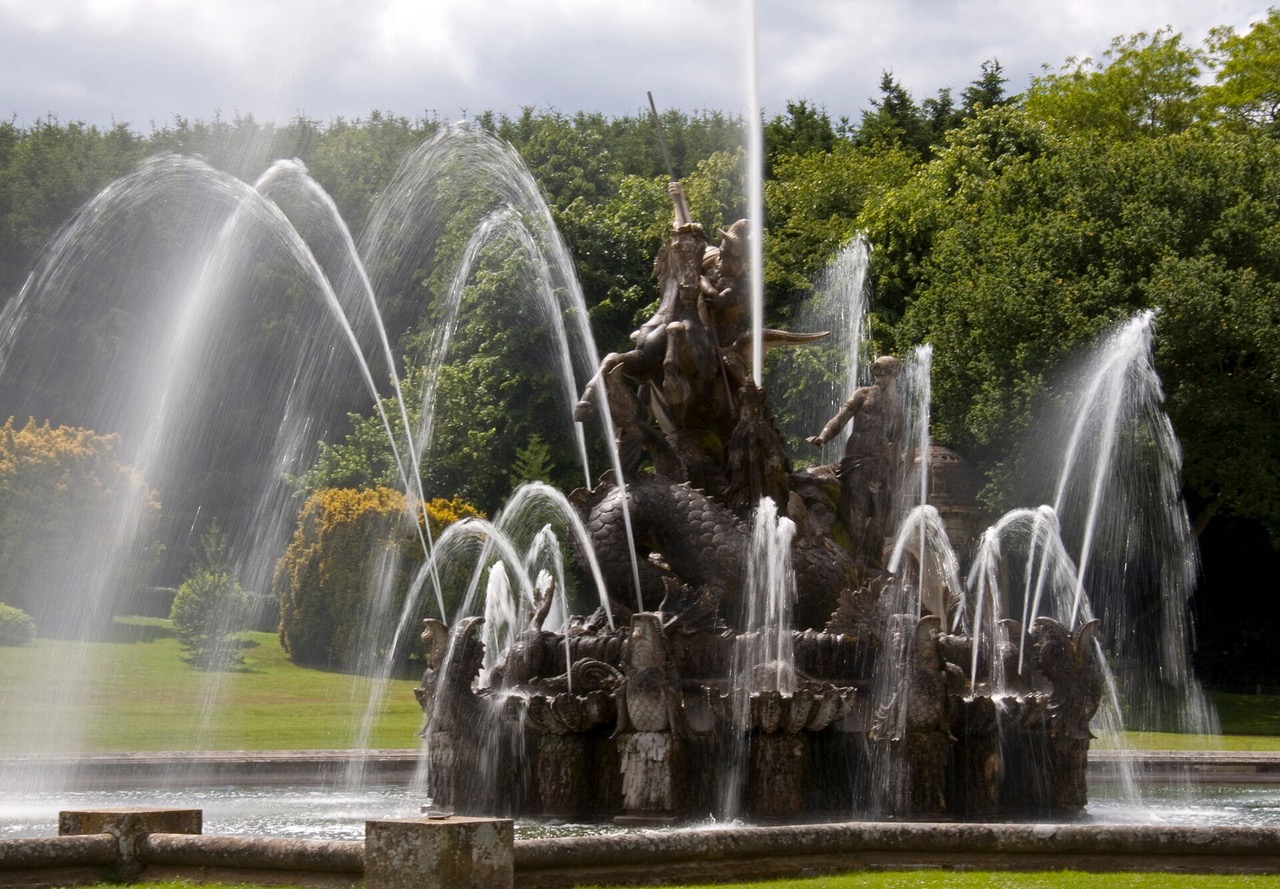
The many ways water is used in gardens is explored in this talk – from Roman villas to monastic cloisters and medieval walled gardens, before the glories of the Renaissance fountains and the development of the cascade in the 1560s. The world’s longest cascade is near Naples, while the most lavish is at Peterhof near St Petersburg. The further development of the fountain is outlined, including the world’s tallest gravity-fed fountain (in a Cotswold garden), while artificial waterfalls also have their place as gardens became more natural in the 18th century.
David Winpenny:
Studied English at Birmingham University and taught for several years before joining the Countryside Commission as Co-ordinator of its National Parks Campaign. Worked for the Central Office of Information in Leeds before setting up own public relations company. Author of 'Up to a Point - in search of pyramids in Britain and Ireland' and has written and contributed to several books for the AA. Has written for BBC Countryfile Magazine and English Heritage magazine. He is co-chairman of Ripon Civic Society and lectures on architectural and related subjects on cruise ships and on dry land.
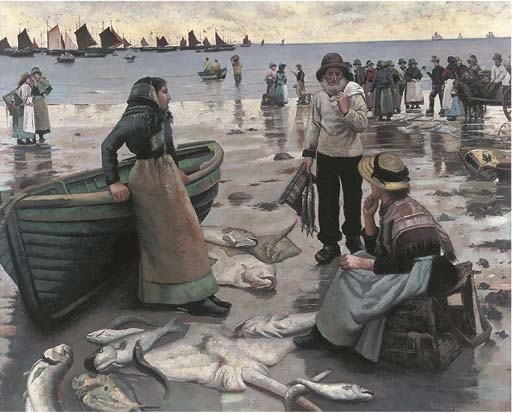
The Newlyn School artists are best known for their depictions of the fishing industry, yet their artistic inspiration came from the French tradition of depicting rural toil, from Millet's The Gleaners of 1857 to Bastien-Lepage's oeurvre of the 1870s and 1880s. This talk weaves its way through the stunning Cornish landscape in the company of those who made their living from the soil, examining the crops and livestock they tended, and evoking a pre-industrial rural idyll that these outstanding artists captured so beautifully in paint.
Alison Bevan:
Since graduating in History of Art from Nottingham University in 1986, Alison Bevan (née Lloyd) has spent her entire career working in public art galleries. Starting out at the Graham Sutherland Gallery in her home county of Pembrokeshire, she then spent ten years organising and curating exhibitions at the Glynn Vivian Art Gallery in Swansea, where she honed her broadcast media skills, including presenting a weekly Arts News feature on BBC Radio Wales, 1995-6.
In 1999, Alison took up the role of Director of Penlee House Gallery & Museum, Penzance. Here she became an acknowledged expert on the Newlyn, Lamorna and St Ives artists colonies (1880-1940), a subject on which has lectured in the UK, USA and France. She raised the profile of this area of art through initiating national and international touring exhibitions, and contributing to numerous publications and television programmes, and in 2013 was awarded the British Empire Medal for services to Cultural Heritage in Cornwall.
From 2013-2024, Alison was Director of the RWA (Royal West of England Academy) – Britain’s only regional Royal Academy of Art: an extraordinary historic institution whose Academicians have included leading figures of the Newlyn School and Bloomsbury Group, and today include Sir Peter Blake, Sir Frank Bowling and Eileen Cooper.
Now based in Chepstow and working as a freelance lecturer, curator and consultant, she is also Chair of Bristol Museums’ Oversight Board; a Fellow of the Museums Association, and an Honorary Research Fellow of the University of Bristol.
Richard Rogers and Norman Foster are the most celebrated British architects of the last 100 years. When Rogers was awarded the Royal Gold Medal for Architecture, the citation observed that he was "heir to the traditions of Wren", and the same has been said of Foster. The comparison with Wren may seem startling, but this lecture demonstrates that Wren might very well have recognised Foster and Rogers as kindred spirits.
Brian Stater:
Brian has lifelong interests in both architecture and photography. He exhibited at the Royal Academy summer show in 2025 and lectured at the Bartlett School of Architecture for 25 years, retiring as a Senior Teaching Fellow. He has written on architecture for a wide range of publications. An exhibition of his own photographs was held at UCL and he is a former member of the Association of Historical and Fine Art Photography. Some of his work is with a pre-War Leica camera, as used by his great hero, Henri Cartier-Bresson, and many others. Brian is an engaging and amusing speaker who seeks to entertain as well as inform his audience.

This lecture is about the messages, codes, and self-portraits found in famous works of art. For example: In Rembrandt’s Night Watch, what’s a little girl doing there, in a party dress with a dead chicken hanging from her waist? Given Michelangelo’s statue of David was originally to be placed high on the Cathedral roof, why did he carve his eyes heart-shaped, when it would be impossible to see them from the ground? Where can you find the hidden portraits of Velázquez, Vermeer, Raphael, Titian, Filippo Lippi and Botticelli? In Gainsborough’s Mr. and Mrs. Andrews, why is there an unfinished area of paint on her lap?
Tony Rawlins:
Tony was educated at Highgate School, starting his career in advertising in 1965 as a mail boy in J.Walter Thompson. He graduated through the training system there to become an account director and subsequently worked in a number of agencies before setting up on his own in 1985. There he handled primarily Guinness advertising in Africa and the Caribbean, where he produced many commercials and print ads for them over a period of 15 years. He remains active as a consultant in the industry, but more recently has concentrated on more philanthropic projects - producing a film in the rural villages of Nigeria for the London School of Hygiene and Tropical Medicine and completing a sanitation project in Haiti after it was devastated by Hurricane Matthew in 2016. He has been a member of The Arts Society for many years and has been an accredited lecturer since 2017.
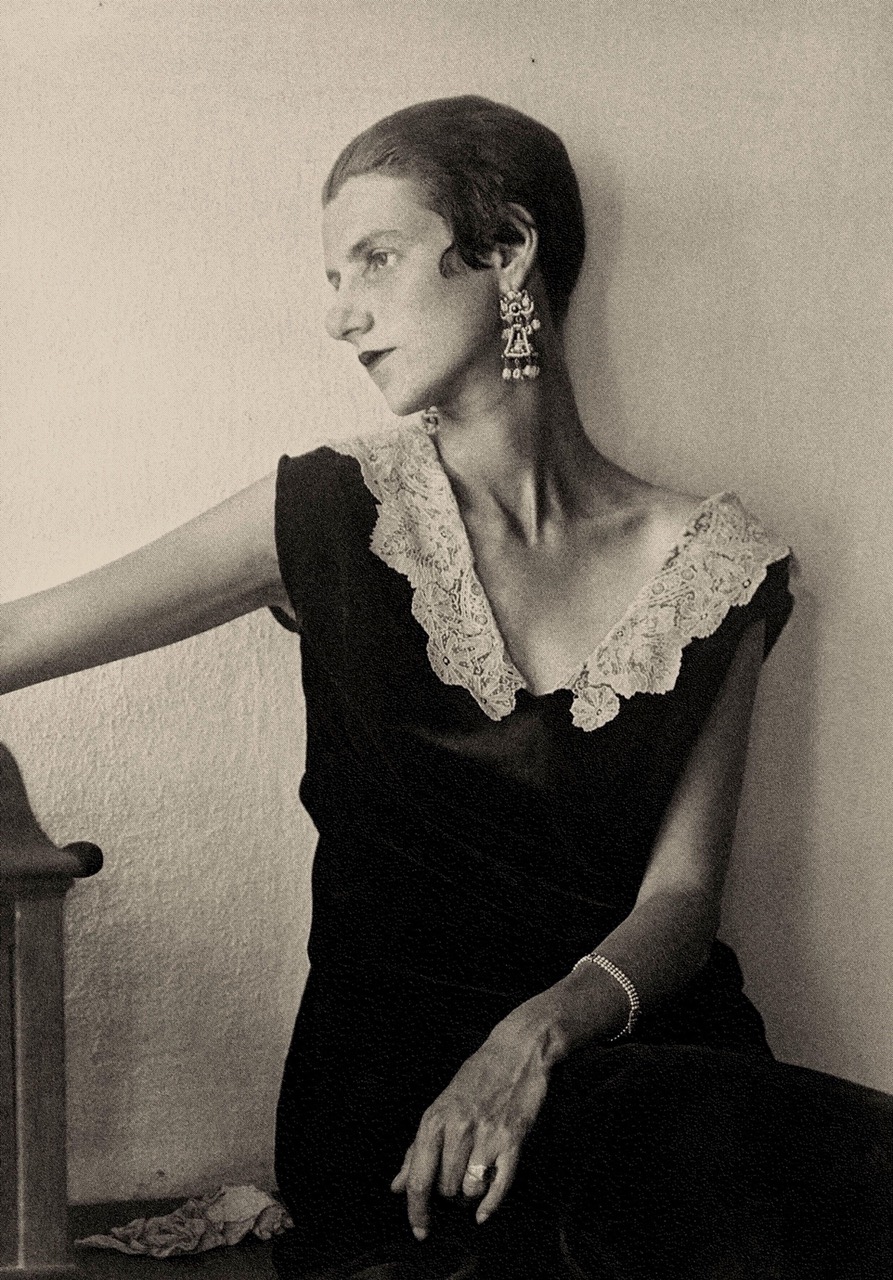
In 1948, the Venice Biennale reopened after six years of closure from World War II. The star pavilion was organised by Peggy Guggenheim. Her personal collection of modern art dazzled and dismayed visitors, stealing attention from all other exhibitions. Guggenheim had saved art and artists from the fascists who labelled them degenerate, bringing them to inspire a generation of artists in New York. This lecture introduces the collecting practices of Peggy Guggenheim, how she, in no small part, saved the history of European modernism from Nazi hands and how her landmark curatorial practice laid foundation for contemporary art galleries and the Venice Biennale.
Sarah Jaffray:
Sarah Jaffray is an art historian, educator, curator and writer based in London.
Before her current position as head of art history at City Lit, London's largest adult education college, Sarah was a curator in the Department of Prints and Drawings at the British Museum. For six years, she was the lead educator for the Bridget Riley Art Foundation and has also worked at Wellcome Collection exploring the connections of art, medicine and human experience. Prior to relocating to London for family, she was as a tenured professor of Art History based in Los Angeles. Sarah has been an art history lecturer since 2003.
Her first MA in Art History focused on the links between poetry and painting in late 19th century France while her second MA in Cultural Studies focused on photography and political protest.
Sarah lectures on a variety of topics and prefers to place artworks and objects in their wider social and cultural contexts, from the European Renaissance to the contemporary, emphasising new narratives and approaches to Western Art History. Her art historical research emphasises modern art, the politics and philosophies of the 19th and 20th centuries and how they are related to artistic process: drawing, printmaking, painting and photography.
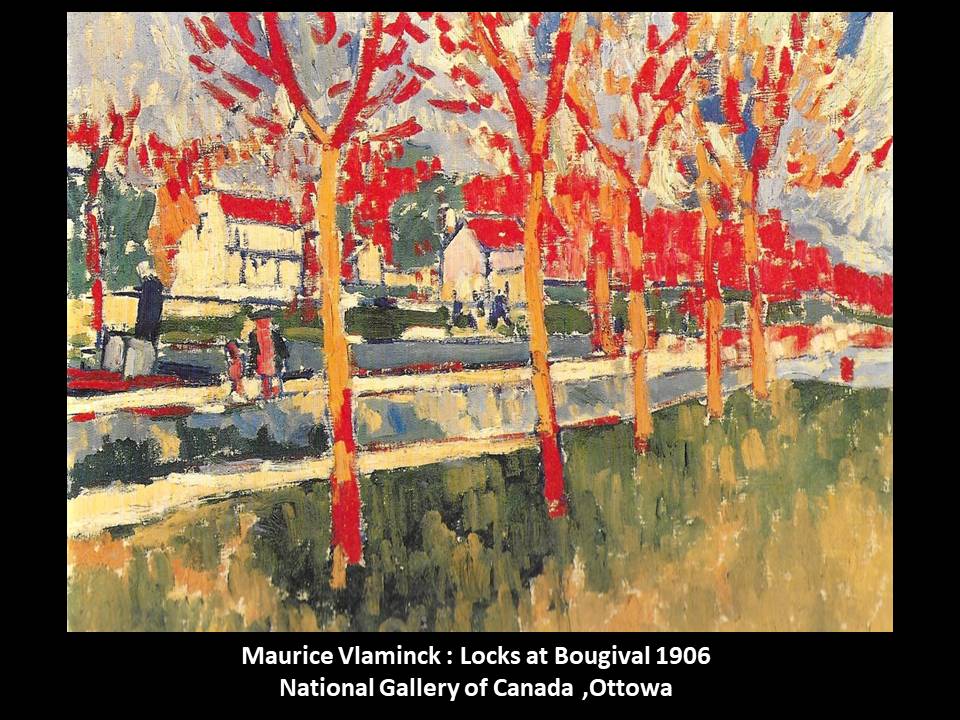
This a lecture about a group of very young men who set France alight with pure colour. The artists include Matisse, Derain, Braque, Dufy, Marquet and the Dutch painter van Dongen.
A new century had dawned and rebellion was in the air. Vlaminck said "I wanted to burn down the Ecole des Beaux Arts with my cobalts and vermilions"
The group exhibited together at the 1905 Autumn Salon and a critic called them the wild animals which in French is 'Les Fauves '. Critics also criticised their childish paintings but Matisse was happy with the name:
"What a scandal, but frankly it was admirable. The name Fauve was perfectly suited to our feelings."
Julian Halsby:
Studied History of Art at Cambridge. Formerly Senior Lecturer and Head of Department at Croydon College of Art. Publications include Venice - the Artist's Vision (1990, 1995), The Art of Diana Armfield RA (1995), Dictionary of Scottish Painters (1990, 1998, 2001, 4th edition 2010), A Hand to Obey the Demon's Eye (2000), Scottish Watercolours 1740-1940 (1986, 1991), A Private View - David Wolfers and the New Grafton Gallery (2002). Interviews artists for the Artist Magazine and is a member of The Critics Circle. A practising artist, he was elected to the Royal Society of British Artists in 1994 and was Keeper from 2010 to 2021.
This is a talk about booze and intoxication in art. Since the early Romans and Greeks, alcohol has been an important subject for artists. We examine the way drink and drinking are depicted, the social messages portrayed, the happy and unhappy consequences, and how alcohol affected the lives of many artists, their families and friends.
Ian Swankie:
A Londoner with a contagious enthusiasm for art and architecture, Ian is an official guide at Tate Modern, Tate Britain, Guildhall Art Gallery and St Paul’s Cathedral. He is also a freelance London tour guide. Since 2012 he has led a popular weekly independent art lecture group in his hometown of Richmond in West London. He is an Accredited Lecturer of The Arts Society and a Freeman of the Worshipful Company of Art Scholars, one of the City livery companies.

The Arts and Crafts Movement was one of Britain’s most radical and far-reaching art movements. It was not just about making art and craft, but how and where you lived and how you spent your time. Many Arts and Crafts makers moved to the countryside to go Back to the Land and live a Simple Life – buzzwords of the 1890s and 1900s! Part of the ethos of the movement was the revival of forgotten crafts, and for many makers, this also meant reviving forgotten customs and festivities to build a sense of community in the places they lived. Arts and Crafts designers sought out wassails, and mummers plays, and carolling customs amongst others and reinstated them in the communities.
Kirsty Hartsiotis:
Kirsty Hartsiotis was the curator of the decorative and fine art at The Wilson Art Gallery and Museum, Cheltenham from 2008 to 2023. She is currently a curator at Swindon Museums, where she also worked prior to 2008. At Cheltenham she looked after the Designated Arts and Crafts Movement collection, which includes the important private press archive, the Emery Walker Library. She’s curated many exhibitions on the Arts and Crafts and Private Press Movements, including Crafting Change and Ernest Gimson: Observation, Imagination & Making, as well as on modern art movements, such as A Very British Art Revolution. Her current exhibition at Swindon is all about British studio pottery, Beneath the Surface: A Century of British Studio Ceramics, May 2026-Feb 2027. Passionate about sharing her deep love for and knowledge of the arts, she’s also a freelance researcher, currently researching the work of Arts and Crafts designers in churches in the South West, and Arts and Crafts war memorials. She’s also been an oral storyteller for over 20 years, and has published a number of collections of stories. She is a regular columnist for Cotswold Life, writes for diverse other publications on art history and folklore, and was the newsletter editor for the Society of Decorative Art Collections.