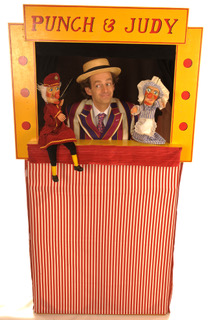
Mr Punch – the most famous puppet character of all time. His comic irreverence gave “Punch” magazine its title. His anarchic vitality has inspired opera, ballet and punk rock and his enduring popularity has seen his likeness on goods ranging from Victorian silverware to computer video games. Appearing in England in 1662, Punch is descended from the Italian Clown Pulcinella of the 15th C Commedia Del’Arte tradition. Even today this Lord of Misrule uses his slapstick to dispense with oppressive authority, be it politicians, political Correctness or the devil, while proclaiming his notorious refrain; ‘That’s the way to do it!”
About our Speaker
Bertie Pearce has a BA (Hons) in Drama from Manchester University, and a Diploma Internationale from the École Internationale du Théatre, Jacques Lecoq. He is a member of the Inner Magic Circle, with Gold Star.
In 2009 Bertie became an accredited Nadfas Lecturer and has toured extensively sharing his passion for Magic, Punch and Judy, Victorian Pastimes and Charles Dickens. His love of people and performance ensures that there is always a new and exciting gig around the corner.
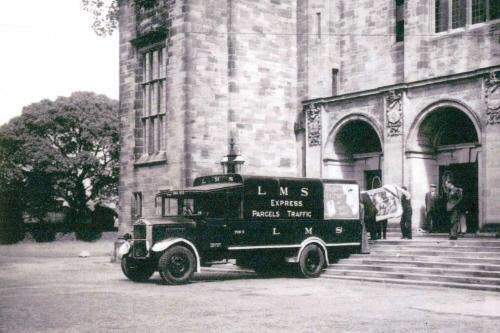
This is the gripping and sometimes hilarious story of how a band of heroic curators and eccentric custodians saved Britain's national heritage during our Finest Hour.
As Hitler prepared to invade Poland during the sweltering summer of 1939, men and women from across London's museums, galleries and archives forged extraordinary and ingenious plans to send their collections to safety.
Using stately homes, tube tunnels, slate mines, castles, prisons, stone quarries and even their own houses, a dedicated bunch of unlikely misfits packed up the nation's greatest treasures and, in a race against time, dispatched them throughout the country on a series of top-secret wartime adventures.
Dr Caroline Shenton is an award-winning writer, archivist and historian, formerly senior archivist at the National Archives and then Director of the Parliamentary Archives in London.
Her first popular history book The Day Parliament Burned Down won the Political Book of the Year Award in 2013 and Mary Beard called it 'microhistory at its absolute best' while Dan Jones considered it 'glorious'.
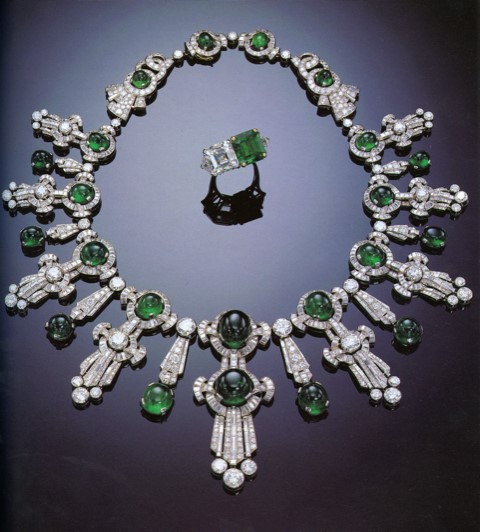
This lecture will demonstrate how the Great Depression and the Second World war had such an extraordinary impact on fashion and jewellery design with the rise of Cinema and Hollywood.
From the likes of Marlene Dietrich to Grace Kelly, we will be guided through the various Screen Goddesses, how they were portrayed and what they gave to such dazzling effect.
We will learn how, with the development of advertising, labour saving devices and leisure time, people had more opportunities to enjoy themselves and spend money on the finer things in life, as well as how the political events of the time influenced design and what was worn.
The Belle Epoque and Art Deco styles did not end at the outbreak of the Second World War, but combined, to flower again with Christian Dior's "New Look".
Andrew Prince has become a respected jewellery craftsman, historian, and lecturer having spoken at the V & A museum many times and extensively throughout America.
He has an in depth knowledge not only of jewellery but also fashion history and historical portraits which he often combines in his talks to give a broad contextual view about what is being discussed.
A fully illustrated talk with in excess of 60 images exploring the relationship between the making of an image and the way in which it is perceived by the viewer. Further discussion around the eye and the brain being an extraordinary double act made up of visual references and intellectual interpretation.
Charlie Waite is one of the world's leading landscape photographers, he has lectured for 25 years throughout the UK, Europe and the US. Has held numerous one-man exhibitions in London, exhibited twice in Tokyo, and was awarded the prestigious honorary Fellowship of the British Institute of Professional Photographers, as well as a Direct Fellowship by the Royal Photographic Society. In 2007, he launched LPOTY - UK Landscape Photographer of the Year. Amongst many publications, the most recent includes Landscape; the Story of 50 Photographs (2005), and Arc & Line (2011). He was invited by the Royal Academy to exhibit in 2015's summer exhibition.
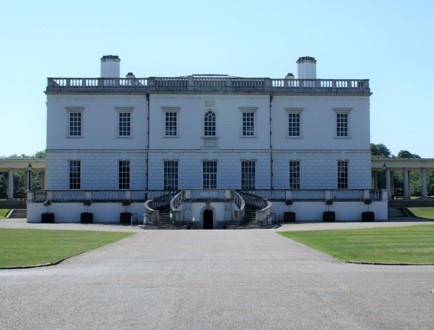
INIGO JONES AND THE NEW STYLE: Inigo Jones introduced the work of Palladio to the English court and his influence led to a revolution in architecture in the 17th century. Beginning with the Queen's House at Greenwich, he built a number of buildings which became iconic and innovative, of which the Banqueting House in Whitehall is the best known. His influence on the succeeding generation of architects, such as John Webb and Sir Roger Pratt was profound. He created the much loved 'Queen Anne' style.
Beginning with the Queen's House at Greenwich, this lecture looks at a wide range of houses built mainly in the latter half of the 17th century of which Jones is the overriding influence.
Our Lecturer: CHRISTOPHER ROGERS was born in Derby and read geography at Merton College, Oxford. He taught geography and was a housemaster at Marlborough College before moving to Downe House School, Newbury. Until retiring this year, Christopher had been an Arts Society lecturer for 25 years specializing in architectural history. For many years he ran courses on art related themes at the Marlborough College Summer School. He is a member of the Kennet and Swindon branch of the Arts Society of which he has been chairman and remains the visits secretary.
Members will be invited via our newsletter, but guests are welcome to join us with a suggested donation of £5 per person.
For more information on how to join the zoom lecture, please contact Frances Sparkes on 01993 823943 or, preferably by email, publicity@theartssocietycotswolds.org.uk
To learn more about The Arts Society Cotswolds and to keep abreast of any additional activities, please browse our website.
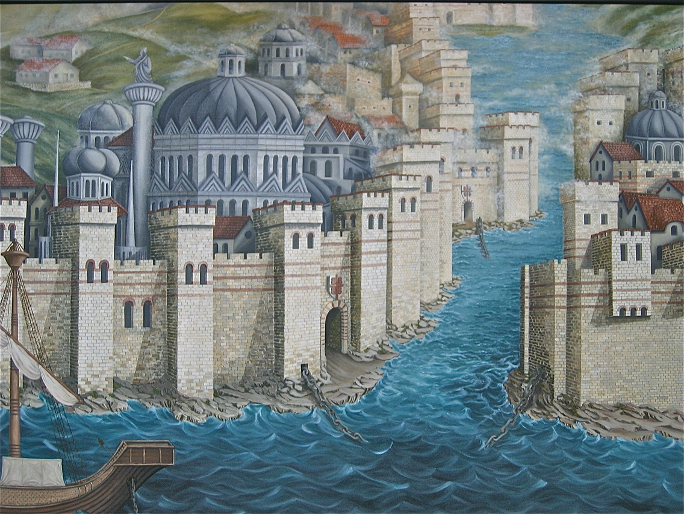
This lecture looks at the main characteristics of the art of the Orthodox church from the time when Constantinople was established as the capital of the Eastern Roman - and Christian - Empire in the 4th century AD until its fall to the Ottoman Turks in 1453, and beyond.
It concentrates on the areas and countries which became part of what has been described as the Byzantine Commonwealth - including, for example Ravenna, Greece, Bulgaria and Romania, as well as Constantinople itself, the source and model for the Orthodox church everywhere.
But the main emphasis is on the architecture of some selected churches, on icons, frescoes, and other sacred pieces, to explain the spiritual and religious meanings that they convey.
About our Speaker:
John Osborne graduated in Classics at Cambridge University and taught classical subjects for over 30 years at Marlborough College, where he was Senior Master. He worked for several years for the British Council in Iran and Turkey, which gave him a long-standing interest in Islamic culture. He has lectured regularly for The Arts Society since 2005, at home and abroad, has lectured on Ancient Rome and on Islam at the University of Bath, runs an annual course on Mediaeval Parish Churches at Marlborough College Summer School, and guides at Salisbury Cathedral.
"Antiques. I don't understand them and they're beyond my budget. Nobody even collects anymore. They're not for me."
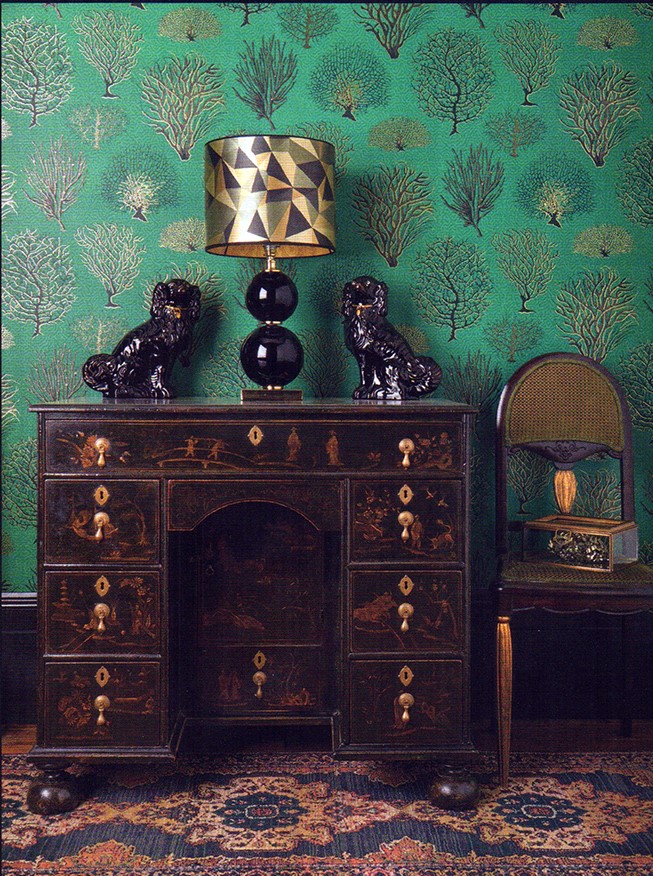
This talk will provide a persuasive introduction to buying antiques and integrating and using them in today's homes. The state of the antiques market and the different meanings of the word value are considered, and we take a look at what current and future generations of collectors are buying, why they are buying it and how they are displaying it.
Mark Hill, Author & Publisher, Dealer In Fine 20th Century Czech & Decorative Glass, Member of The British Antiques Dealers' Association, Design Specialist and Consultant at Dawson's Auctions
This lecture will examine the main characteristics of the art of the Orthodox church from the time when Constantinople was established as the capital of the Eastern Roman - and Christian - Empire in the 4th century AD until its fall to the Ottoman Turks in 1453, and beyond.
It will concentrate on the areas and countries which became part of what has been described as the Byzantine Commonwealth - including, for example Ravenna, Greece, Bulgaria and Romania, as well as Constantinople itself, the source and model for the Orthodox church everywhere.
The main emphasis will be on the architecture of some selected churches, on icons, frescoes, and other sacred pieces, to explain the spiritual and religious meanings that they convey.
John graduated in Classics at Cambridge University and taught classical subjects for over thirty years at Marlborough College, where he was Senior Master. He worked for several years for the British Council in Iran and Turkey, which gave him a now long-standing interest in Islamic culture.

The Golden Age saw an increasing specialisation amongst Dutch artists. Flower still-life pieces were especially admired and some artists were able to demand high prices for their work, albeit not as high as the prices that tulips fetched during the 'tulipomania' of the 1630s.
It was a genre in which women artists could flourish, notably Rachel Ruysch and Maria van Oosterwyck. Yet flower paintings are nowadays often taken at face value as pretty but dull - and quite wrongly.
Did the floral arrangements which Dutch artists painted so realistically ever exist in reality? Or were they just an illusion, masterfully painted to cheat nature and the eye of the beholder?
Sophie Oosterwijk was born in Gouda (Netherlands) and obtained a Master in English Literature (Leiden) before obtaining a Master in Medieval Studies (York), a PhD in Art History (Leicester) and a PhD in English Literature (Leiden).
She has taught at the universities of Manchester, Leicester and St Andrews as well as for the WEA, U3A, Sotheby's Institute of Art and other organisations.
She has published widely and is actively involved with the Church Monuments Society. Sophie now works freelance, lecturing regularly for the University of Cambridge, the Royal Academy in London and Martin Randall Travel.

Queen Victoria and Prince Albert expressed their love for each other through art. At every birthday, Christmas and wedding anniversary they exchanged gifts of paintings, sculpture and jewellery.
They commissioned artists to record their lives together at Balmoral and Osborne House. Keen amateur artists, they made watercolours and etchings that give us glimpses into their family life.
We will look not only at glamorous paintings by artists such as Landseer and Winterhalter, but also at the more personal watercolours the couple took pleasure in arranging in their treasured 'souvenir albums'.
This lecture tells the story of these royal patrons and collectors who were every bit as passionate about art as they were about each other.
Dr Susan Owens is an art historian, writer and curator. She was a curator at the Royal Collection before becoming Curator of Paintings at the Victoria and Albert Museum, and has written or co-authored books on natural history illustrations, watercolours, drawings and self-portraits. She is a regular contributor to publications including the Times Literary Supplement, the Literary Review and The World of Interiors.
Now freelance, Susan lives in Suffolk. Her most recent books are The Ghost: A Cultural History (2017) and Christina Rossetti: Poetry in Art (2018).
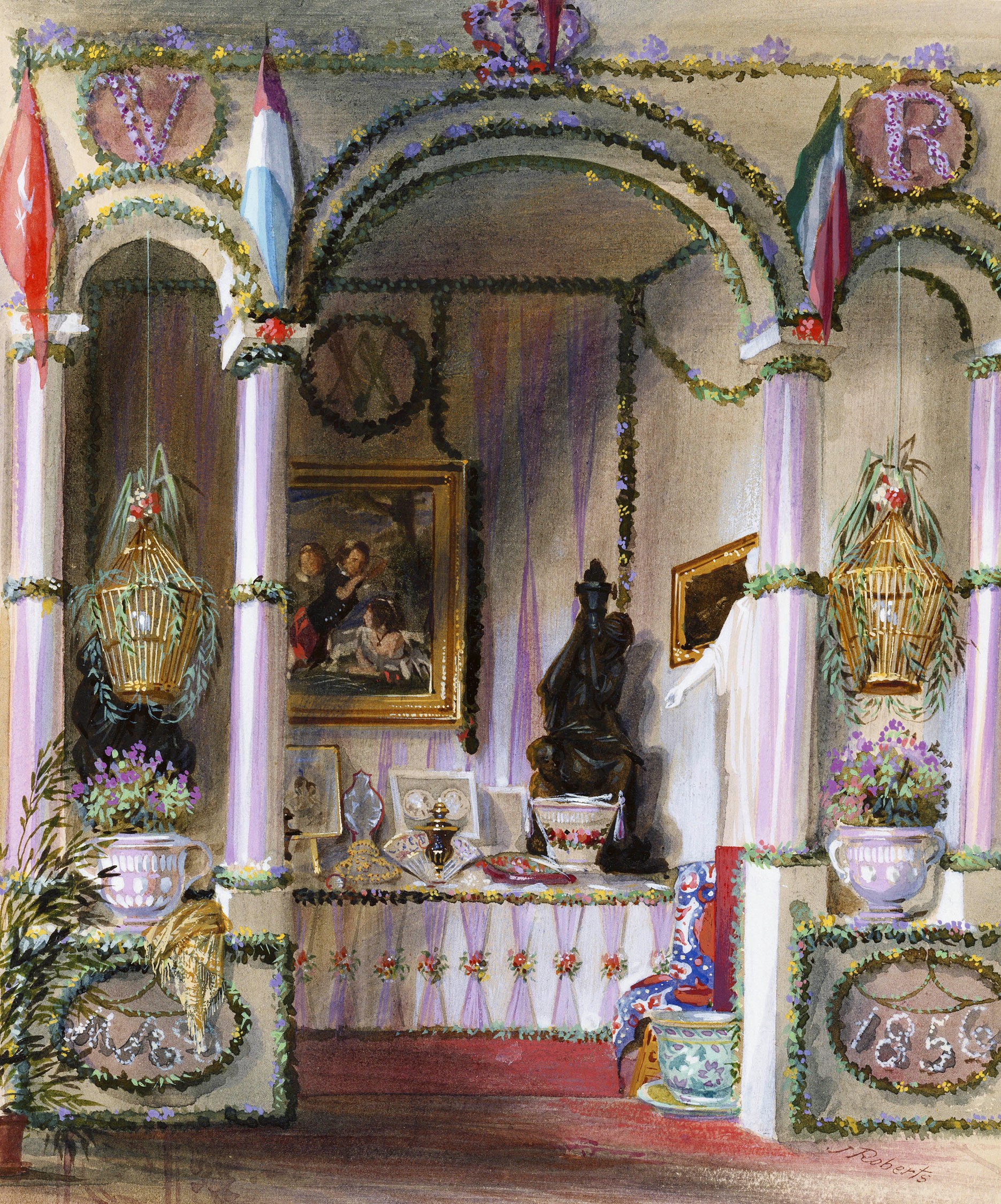
Fine Art has provided advertisers and their agencies with a great deal of material to use in their creative campaigns.
Our lecturer will describe some of the processes by which advertisements are created and why the works of Leonardo da Vinci, Raphael and Michelangelo have been a particularly rich source of their visuals.
From the Renaissance, through to the present day, Fine Art has continued to provide opportunities to enhance Brand imagery with humour, satire and irony. In this entertaining and informative lecture, a wide range of images and videos will be used to show examples of the original works, the creative process and the (not always entirely successful!) advertisements that are the end result.
Tony started his career in advertising in 1965 as a mail boy in J. Walter Thompson.
He set up his own agency in1985, primarily to handle Guinness campaigns in Africa and the Caribbean, where he produced many campaigns and commercials over a period of 15 years.
He remains active in the industry, but now concentrates on more philanthropic projects, particularly working with the London School of Hygiene and Tropical Medicine on educational projects in Nigeria and Haiti.
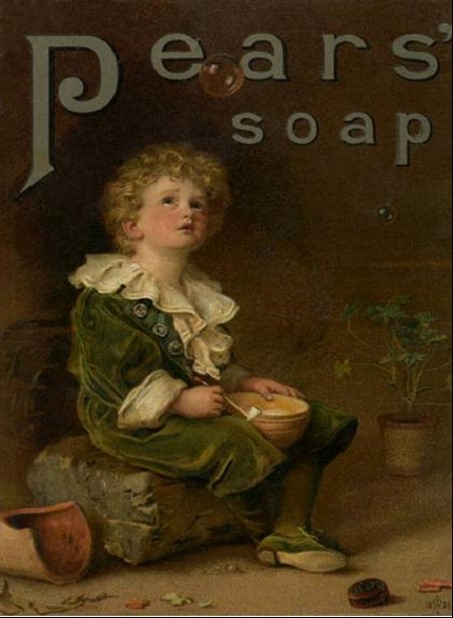
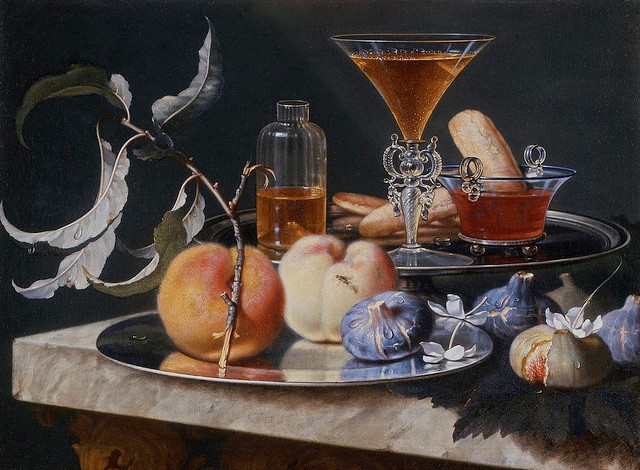
This lecture explores the way in which artists over the centuries have included transparent glass objects in their paintings, taking huge delight in capturing the shadows and reflections seen within the glass as well as displaying their skill in portraying what lies behind and beyond.
It will include the remarkable depiction of glass objects in Roman wall-paintings, works by artists such as Titian, Veronese and Caravaggio - where both the Gods of Olympus and the disciples are seen drinking out of fragile Venetian 'cristallo' and the proliferation of glass drinking vessels in Dutch still-life paintings.
Jane trained at the V&A and continues to lecture there, she was Senior Lecturer at Sotheby's Institute of Art for 17 years and became a Deputy Director of Sotheby's U.K.
Jane has also lectured for the National Trust, the Art Fund, London University, Buckingham University, l'Institut d'études Supérieures des Arts, Paris, at a private women's college in Saudi Arabia, on cruise ships and at Antiques Fairs and Interior Design Conferences in America.